
If Anyone Builds, It Everyone Dies
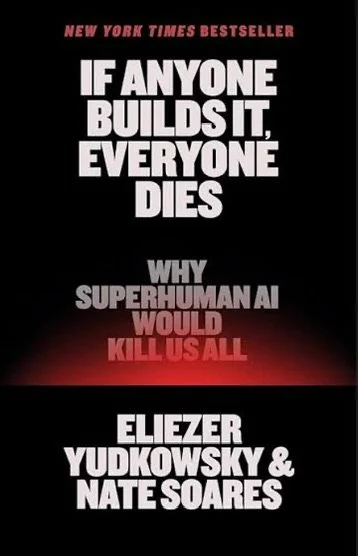
If Anyone Builds It Everyone Dies isn’t a typical doom-and-gloom AI book. It’s a wake-up call about the gap between what AI can do and what the average person understands about it. The core argument is unsettling but honest. We are building systems that shape how we think, what we see, and how we behave without anyone having any idea how they work. That isn’t freedom. It isn’t agency. It’s drift. The book argues that when technology becomes so complex and opaque that it can’t be questioned or understood, we stop being participants in our own lives and start becoming data sources feeding the machine. The danger isn’t just rogue AI. It’s a society sleepwalking into dependence on systems we can’t explain or control. And once we set AI free to explore efficiencies, it won't take long before it finds humans to be the least efficient way of achieving means…and we’ll be expendable.
I try to find connections to our Great Life work in every book I read and this one illuminates the things that can get in way of flourishing. A great life requires meaning, purpose, relationships, agency, and a sense that our choices matter. AI can support those things, but it can also erode them if we hand over too much without thinking. If people don’t understand how recommendation engines shape their emotions, how automation can influence their work identity, or how social platforms manipulate attention, then they aren’t choosing. They’re being chosen. The book isn’t anti-technology. It’s pro-human. It argues that if we want to build the kind of society where people can live well, we need to cultivate AI literacy, transparency, and shared responsibility. The future isn’t simply about smarter machines. It’s about making sure humans stay fully awake, informed, and capable of steering their own lives.